Need tree removal in Pittsburgh?
Have a tree question? Send a request through the form or email contact@directorlab.garden. Share a few details, and a local provider in our network can follow up with next steps.
No obligationRequest an estimate today
Is that tree safe, or is it a problem waiting to happen? Most homeowners ask this before they ever pick up the phone. Directorlab Tree Service is a referral service. We connect you with independent local providers in our network who handle the work.
Tree removal can mean a dead oak near the roof, a storm-split maple, or roots pushing at an old stone foundation. A provider looks at the tree, the space around it, and the safest way to bring it down. Then you get a written quote. You decide what happens next, with no obligation.
You keep glancing at it from the kitchen window. Is it leaning more than last year? If you have never hired anyone for this, that is okay. Our motto is simple: ask first, cut second. A local provider can look at the tree and tell you what is really going on.
Some trees cannot wait. If a trunk or big limb is on your house, your car, or a power line, keep everyone back. Stay away from any wires and contact your utility. Then Request a callback to check provider availability for emergency tree removal. Many providers can respond quickly after a storm.
Not every worried tree needs to be removed. These signs are worth a closer look:
Storms are the big one. Ice, heavy snow, and coastal wind can split a healthy-looking trunk. Others remove trees because of disease, dead wood, or roots that threaten a block or stone foundation. On tight lots around older homes, a tall tree can also sit too close to the roof.
"Tree falling" just means cutting a tree down in a controlled way. In an open yard, a provider may drop it in sections or in one piece. Near a house, crews often climb and lower each piece with ropes. The goal is simple: nothing lands where it should not.
First, a provider walks the yard and checks the tree, the lines overhead, and the ground. Next comes a written quote. On the day, the crew sets up a safe zone, cuts the tree down, and cuts the wood into pieces. Most then haul away the branches and sawdust.
It can. Cold, snowy winters add weight to branches. Frost cracks, and spring snowmelt softens the ground around roots. Frozen soil can actually protect a lawn from heavy equipment. Ask your provider which season suits your tree.
Size matters most. Height, trunk width, and how close the tree is to a house or wires all count. So does access. A tree in a narrow side yard costs more than one in an open lawn. Storm damage and rush jobs can raise the price. Always get the quote in writing.
Sometimes. Some towns protect certain trees, or trees near wetlands or the street. Rules differ from one town to the next. Ask your provider and your local town office before work begins. Do this before you schedule, not after.
Look for a provider who walks the site before quoting. Ask whether they carry liability insurance and workers' compensation, and ask for proof. Be careful of anyone who pushes you to decide on the spot. A good provider explains the plan in plain words.
Move cars out of the driveway and off the street if you can. Clear patio furniture, toys, and grills from the area. Tell your neighbors. Keep kids and pets indoors while the crew works. A quick photo of the yard beforehand is also handy.
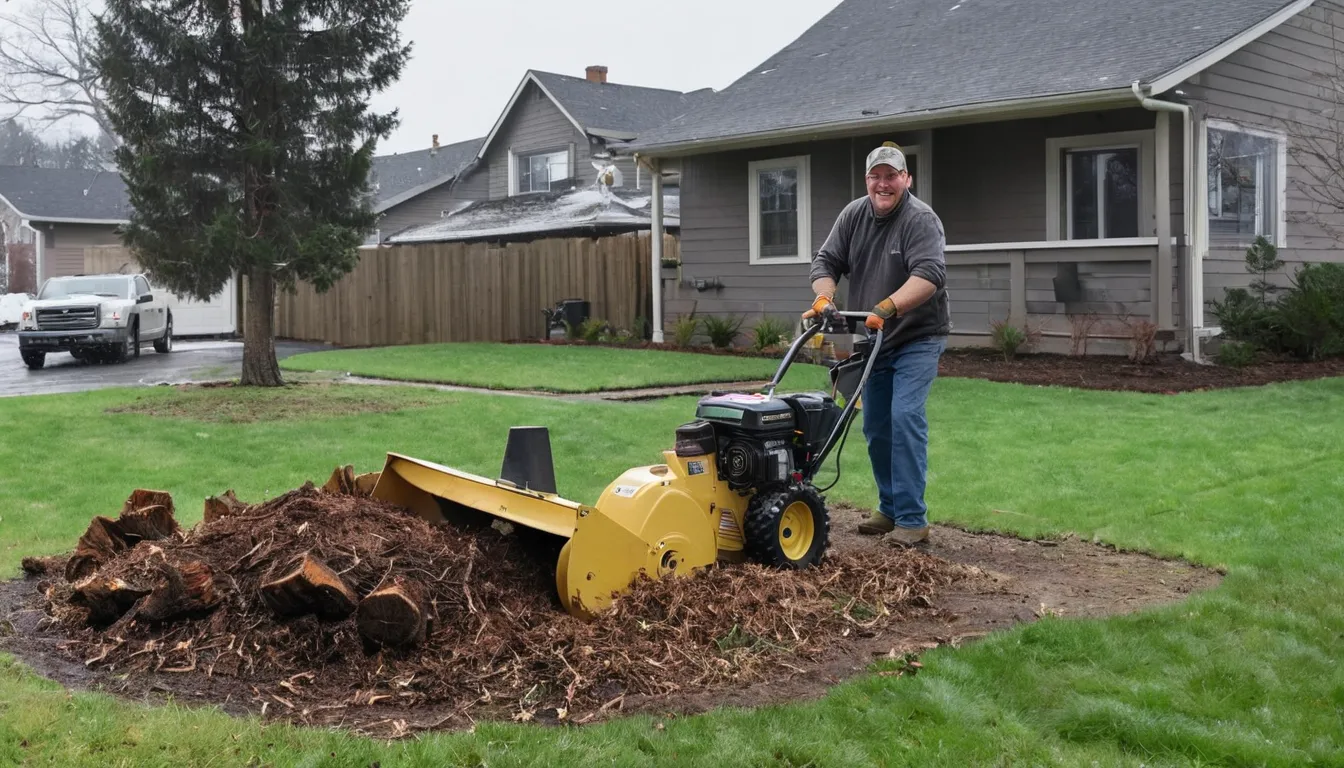
Think past the cut. You will have a gap, some leftover wood, and a stump. Decide what you want for each. Many people keep logs for firewood or have the wood chipped for the garden beds. Stump grinding is its own job, so ask about it at the start.
One removal is a good time to check the rest. Prune dead wood each year. Keep mulch off the trunk. Water young trees during dry spells. Have a provider look at any tree with cracks or a lean before winter.
A little planning goes far. Walk your yard in the fall and note any limbs hanging over the roof or wires. Fix small problems before ice and wind show up. Then, if a big storm hits anyway, you will know who to ask for storm tree clearance.
A provider cuts the tree down in safe sections and lowers each piece with care around your home.
Most providers clear branches, brush, and sawdust, so ask that haul-away is listed in your written quote.
Providers can often clear fallen trees and limbs after wind, ice, and heavy snow from your yard.
A provider checks wires, roofs, and ground first, then explains the plan before any cutting begins.
Prices vary a lot by tree size, access, and condition. These are typical U.S. ranges only. Your local price may be different, so always ask for a written quote before work begins.
| Job type | Typical range | Notes |
|---|---|---|
| Small tree (under 30 ft) | $150 – $600 | Open yard, easy access |
| Medium tree (30–60 ft) | $500 – $1,500 | Often cut in sections |
| Large tree (over 60 ft) | $1,200 – $3,500 | Needs more crew and gear |
| Tree near house or wires | $800 – $4,000 | Extra care adds time |
| Storm-damaged tree | $500 – $3,000 | Rush work can raise price |
| Debris haul-away | $75 – $500 | Sometimes already in quote |
Share your location and what you see, like a lean, cracks, or storm damage, through the request form.
A local provider in our network reaches out to talk about your tree and when they can visit.
The provider looks at the site and gives you a written quote. Ask questions until it feels clear.
Pick a date that works, clear the area, and let the provider handle the cutting and cleanup.
Get simple explanations of what your tree needs, so you can decide without feeling rushed or confused.
You are matched with independent providers who know local weather, soil, and town rules.
Ask each provider to put the scope and price in writing before work starts.
Requesting an estimate does not lock you in. You choose whether to move forward.
Have a tree question? Send a request through the form or email contact@directorlab.garden. Share a few details, and a local provider in our network can follow up with next steps.
No obligationLook for a new lean, deep cracks, large dead limbs, mushrooms at the base, or lifted roots. None of these alone always means removal, so ask a local provider to inspect the tree and explain your choices.
Some policies may cover sudden damage, like a tree falling on your house. Removing a healthy or dead tree on its own often is not covered. Check your policy, and providers can often help document damage for a claim.
It depends on your town. Some places protect certain trees, or those near wetlands or the street. Ask your provider and your local town office before work begins, so you do not run into surprises or fines.
Have a tree question? Send a request through the form or email contact@directorlab.garden. Share a few details, and a local provider in our network can follow up with next steps.
No obligation